
Why a Second Splint Is Recommended After an Anterior Repositioning Splint
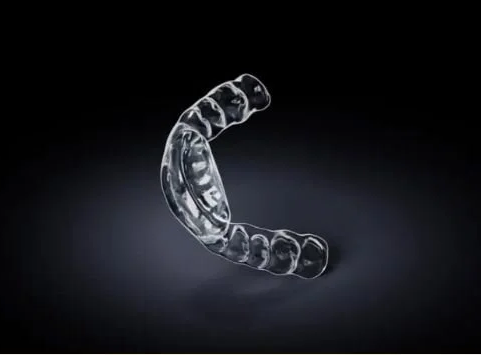
Patients who are treated for temporomandibular joint (TMJ) disorders involving disc displacement are often started in an anterior repositioning splint. This type of appliance is designed to guide the lower jaw into a forward position to improve the relationship between the jaw joint (condyle) and the articular disc. When appropriately indicated, this forward positioning can reduce joint stress, improve joint mechanics, and resolve symptoms such as pain, clicking, or limited opening.
While anterior repositioning splints are highly effective for managing disc-related TMJ conditions, they are not intended for indefinite use. Maintaining the lower jaw in a forward position for an extended period can cause the teeth and bite to adapt to that position. Over time, this may result in permanent and undesirable changes to the way the upper and lower teeth fit together (occlusion).
Once symptoms have stabilized or resolved, the focus of treatment shifts from disc correction to long-term joint stability and bite preservation. At this stage, transitioning to a stabilization (centric) splint is recommended. A stabilization splint positions the jaw in a neutral, orthopedic position and provides even, balanced contact across the teeth. This allows the jaw joints and muscles to function in their most stable configuration while minimizing excessive loading of the joints.
The stabilization splint serves several important purposes:
Helps maintain symptom relief achieved during anterior repositioning therapy
Reduces the risk of symptom recurrence
Protects the jaw joints from excessive forces related to clenching or grinding
Preserves the natural bite and prevents permanent bite changes
Discontinuing splint therapy entirely after anterior repositioning is generally not recommended. Even when symptoms have resolved, the TMJ system may remain susceptible to relapse, particularly in patients who clench or grind their teeth, often without awareness. Removing all support too abruptly can allow excessive joint loading to return, increasing the risk of pain, dysfunction, or disc instability.
In summary, anterior repositioning splint therapy is used to correct an abnormal disc–joint relationship, while stabilization splint therapy is used to maintain long-term joint health and protect the bite. This stepwise transition is a well-established and evidence-based approach in the conservative management of TMJ disorders.
If you have questions about your specific treatment plan or the type of splint recommended for you, please contact our office for further guidance.