Sharp Lower Jaw Pain When Yawning: Why It Happens and What You Can Do
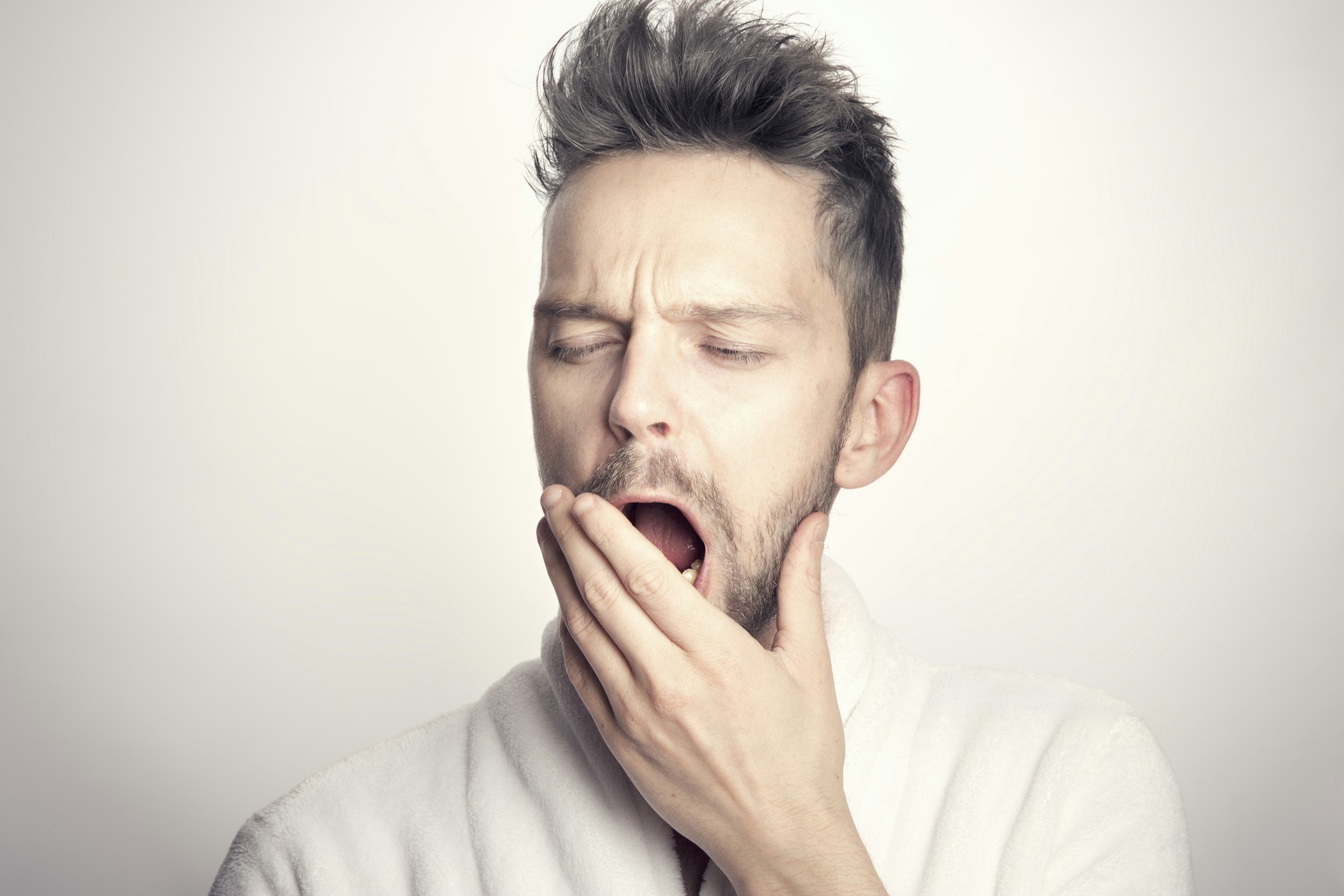
Experiencing sharp pain in your lower jaw when yawning can be more than just uncomfortable — it can interfere with daily life and signal an underlying problem with your jaw joint or surrounding muscles. While occasional discomfort may be benign, persistent or intense pain deserves attention and a thoughtful clinical evaluation.
Let’s break down the most common causes, key symptoms, and effective strategies to diagnose and treat pain associated with yawning.
Why Yawning Can Trigger Jaw Pain
Yawning opens the mouth wider than many everyday movements, placing significant demand on the temporomandibular joint (TMJ) and the muscles that control jaw movement. If any component of this system is irritated, inflamed, or dysfunctional, yawning can stretch those tissues in a way that produces sharp pain.
The TMJ functions as both a hinge and sliding joint, allowing the jaw to open, close, chew, speak, and yawn. Pain with wide opening is a common early symptom of disorders affecting this joint and its supporting muscles.
Common Causes of Sharp Jaw Pain When Yawning
1. Temporomandibular Joint Dysfunction (TMD / TMJ Pain)
Temporomandibular disorders (TMD) are a frequent source of jaw pain during wide mouth opening. These conditions involve the joint itself or the muscles and ligaments surrounding it. Contributing factors may include:
Jaw trauma or injury
Bruxism (teeth grinding or clenching)
Arthritis affecting the joint
Disc displacement or joint inflammation
Misaligned bite mechanics
Pain from TMD may be sharp, intermittent, or constant and is often associated with other symptoms listed below.
2. Muscle Strain or Overuse
Your jaw muscles work hard every day — chewing, speaking, swallowing, and yawning. Excessive strain from:
Frequent gum chewing
Eating tough or chewy foods
Prolonged jaw use
Stress-related muscle tension
can irritate and fatigue the muscles responsible for opening the jaw, leading to sharp pain with wider mouth opening.
3. Dental Conditions
Some dental problems can refer pain to the jaw, or make the jaw more susceptible to discomfort during movement. These include:
Cavities or tooth decay
Gum inflammation or periodontal disease
Tooth abscesses or deep infections
Pain from dental causes may be localized, persistent, and provoked by pressure.
4. Sinus Pressure and Congestion
The sinuses sit close to the jaw joint. If sinus inflammation or infection increases pressure within nearby spaces, yawning or wide opening can amplify the sensation of pain in the lower jaw.
5. Nerve-Related Conditions
Uncommon but important causes such as trigeminal neuralgia can produce sharp, shock-like pain in the jaw that may be triggered by motion, including yawning.

Additional Symptoms That May Occur With Jaw Pain
Jaw pain from yawning often doesn’t occur in isolation. You might also notice:
Clicking, popping, or grinding sounds when moving the jaw
Difficulty fully opening or closing the mouth
Tenderness in the joint or muscles
Ear, temple, or facial pain
Headaches or neck tightness
Jaw locking or catching mid-movement
These associated signs help clinicians identify whether the cause is muscular, joint-related, dental, or neurologic.
How Sharp Jaw Pain Is Diagnosed
A structured clinical evaluation helps pinpoint the cause of pain:
1. History & Symptom Review
Your clinician will ask about when pain started, triggers, dental history, trauma, and habits like grinding or stress-related clenching.
2. Physical Exam
Evaluation of jaw movement, joint sounds, muscle tenderness, and range of motion.
3. Imaging When Needed
Imaging such as panoramic X-rays, MRI, or CT scans can reveal joint abnormalities, disc displacement, or structural issues.
4. Dental Assessment
Identifies any tooth or gum problems that could be referring pain to the jaw.
Accurate diagnosis is essential before recommending a treatment strategy.
Treatment & Relief Options
Once the cause of jaw pain is understood, a tailored treatment plan can be implemented. Common approaches include:
Conservative & Non-Invasive Treatments
Jaw exercises and stretches to improve mobility
Heat or cold therapy to reduce inflammation
Stress management and relaxation techniques
Behavior modification to reduce excessive chewing or clenching
Dental and Orthotic Support
Custom mouthguards or orthotics to reduce strain from bruxism or misalignment
Corrective dental work when dental pain contributes to jaw discomfort
Medications
Anti-inflammatory drugs for swelling
Muscle relaxants for spasm
Targeted pain medications as needed
Therapeutic Injections & Advanced Options
In select cases, guided injections or other targeted treatments may be appropriate. These are individualized based on clinical findings.
When to Seek Professional Care
Persistent jaw pain, sharp pain when opening wide (such as yawning), jaw locking, pain that radiates, or any worsening symptoms require a formal evaluation by a clinician experienced in TMJ and jaw pain disorders. Early diagnosis improves outcomes and helps prevent chronic discomfort. Schedule an evaluation with our TMJ specialists at Core Smiles General and Cosmetic Dentistry NYC today to get personalized care and relief—book your appointment now.