
Why Cosmetic Dentistry?
Cosmetic dentistry offers a multitude of benefits beyond aesthetics, as it can significantly improve self-esteem and have a positive impact on overall wellness. A confident smile can boost confidence and improve self-image, leading to increased social interactions and a more positive outlook on life.
Moreover, cosmetic dentistry procedures, such as teeth whitening, veneers or orthodontic treatment, can correct dental imperfections like discoloration, misalignment, or chipped teeth. This leads to improved oral health by creating a more functional bite and making it easier to maintain proper oral hygiene.
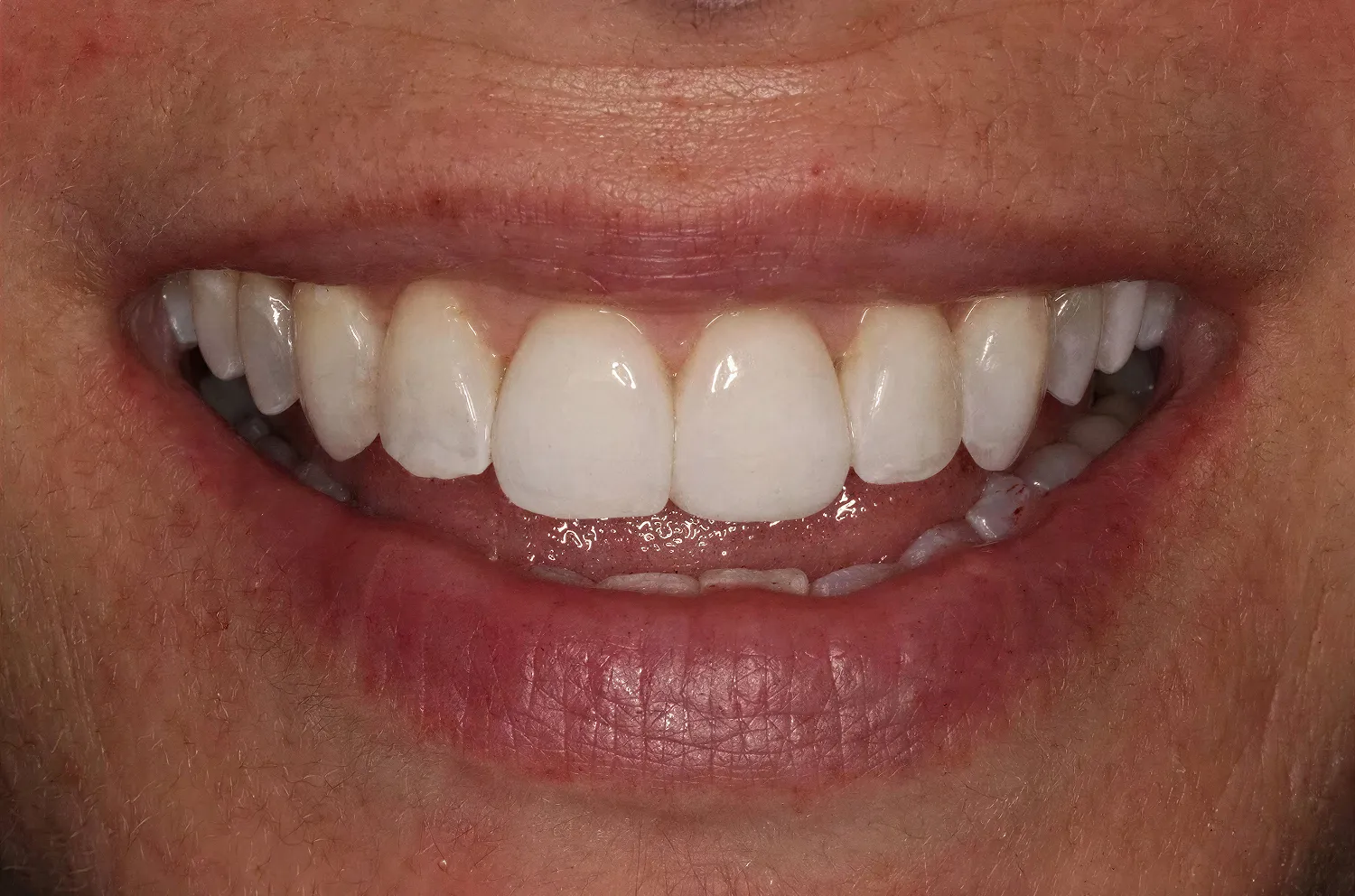
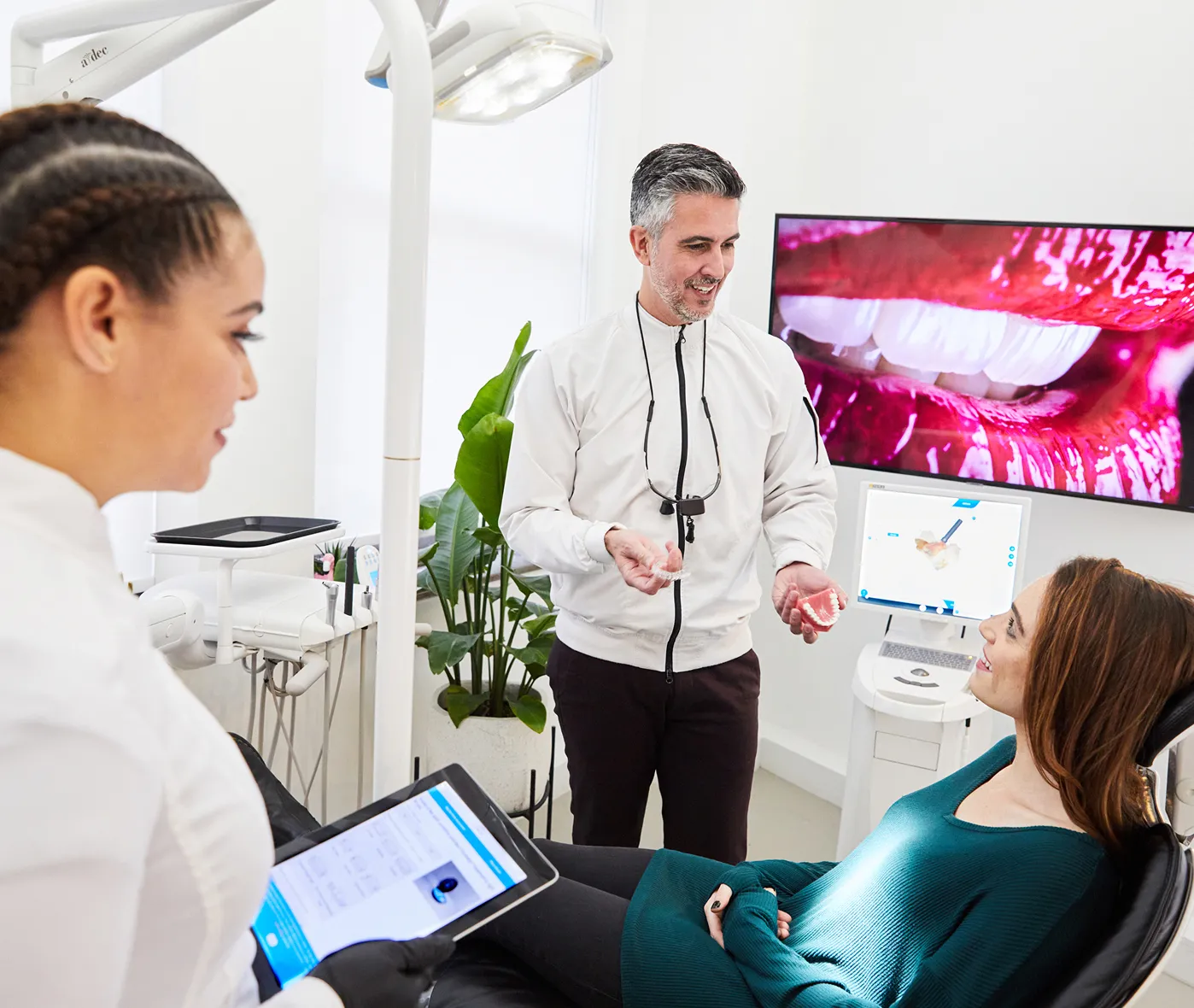
By using advanced techniques and materials that look and feel like real tooth structure, the Core Smiles doctors can customize a smile that perfectly suits your face. With over 20 years of experience in smile design and material science, Dr. Michael Gulizio and Dr. Steven Cordoves can provide a wide array of treatment options to improve your smile and your oral health.
.webp)
.jpg)
What Cosmetic Dental Treatment Options Are Offered at Core Smiles?
- Dental bonding — used to repair small chips in teeth or close spaces between teeth
- Removal of silver fillings and replacement with tooth-colored fillings
- Enamel recontouring — reshaping your teeth to fit your face
- Removal of black lines around old crowns
- Porcelain veneers
- Professional-grade, in-office teeth whitening with Zoom! Advanced Power
- Smile makeovers using advanced technology and facial analysis
- Gum lifts and recontouring with soft-tissue dental laser
- Gummy smile treatment
- Inlays and onlays
- Dental implants
What Is Cosmetic Dental Bonding?
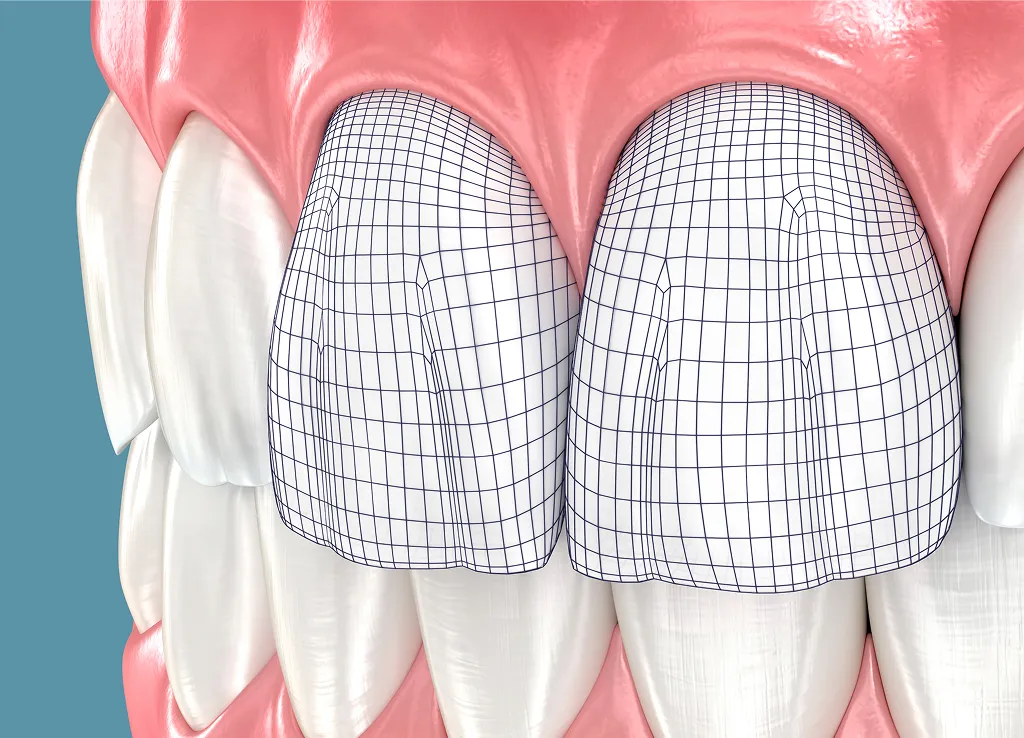
Tooth bonding — also known as dental bonding — is a cosmetic procedure that repairs chipped teeth, cracked teeth, or alters the shape of teeth. Dental bonding can be used as a primary step to porcelain veneer treatment or in lieu of porcelain veneers.
Advantages of Dental Bonding
- Usually requires minimal to no preparation of tooth structure
- Direct technique — done in the clinic, no laboratory time required
- More economical than porcelain veneers
Disadvantages of Dental Bonding
- May chip or fracture, especially with patients that grind or clench
- Over time, can stain unlike a porcelain veneer
- May require replacement more frequently (every 3–5 years)
What Happens During a Dental Bonding Appointment?
If dental bonding is used to repair a small chip it can usually be done in less than one hour without anesthesia. Regardless of the extent of dental bonding, the process is the same:
- The tooth is cleaned with an antimicrobial pumice and a small portion of enamel is abraded with microscopic particles of aluminum oxide.
- A safe etchant is applied to the enamel surface for 15–30 seconds and then rinsed with water thoroughly.
- Adhesive is applied to the enamel surface.
- Tooth-colored composite resin is applied, contoured to the appropriate shape, and light cured to set.
- The bite is checked and the bonding is polished to a gloss that matches existing tooth structure.
Cosmetic Bonding Before & After — Real NYC Patient Smile Transformations
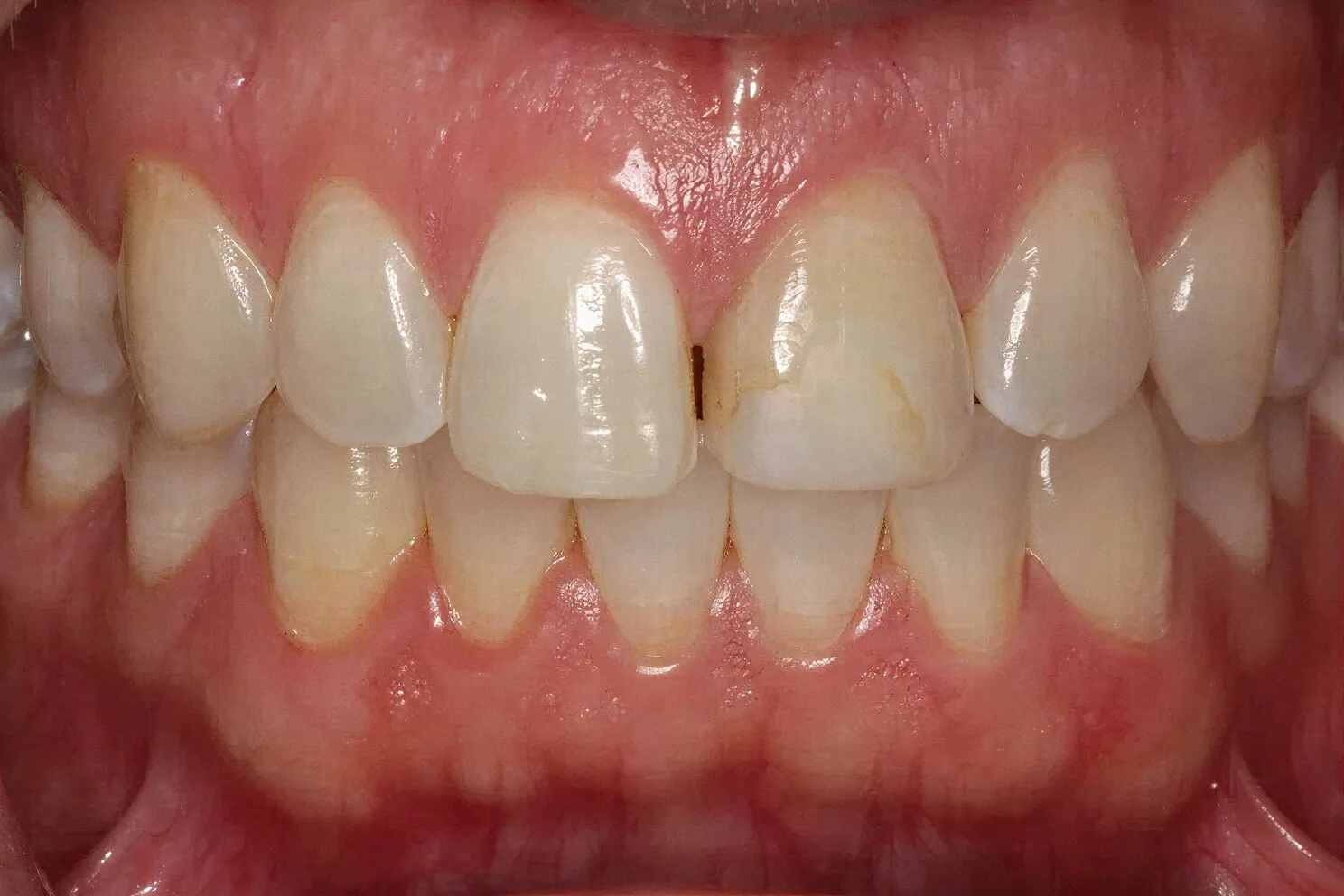
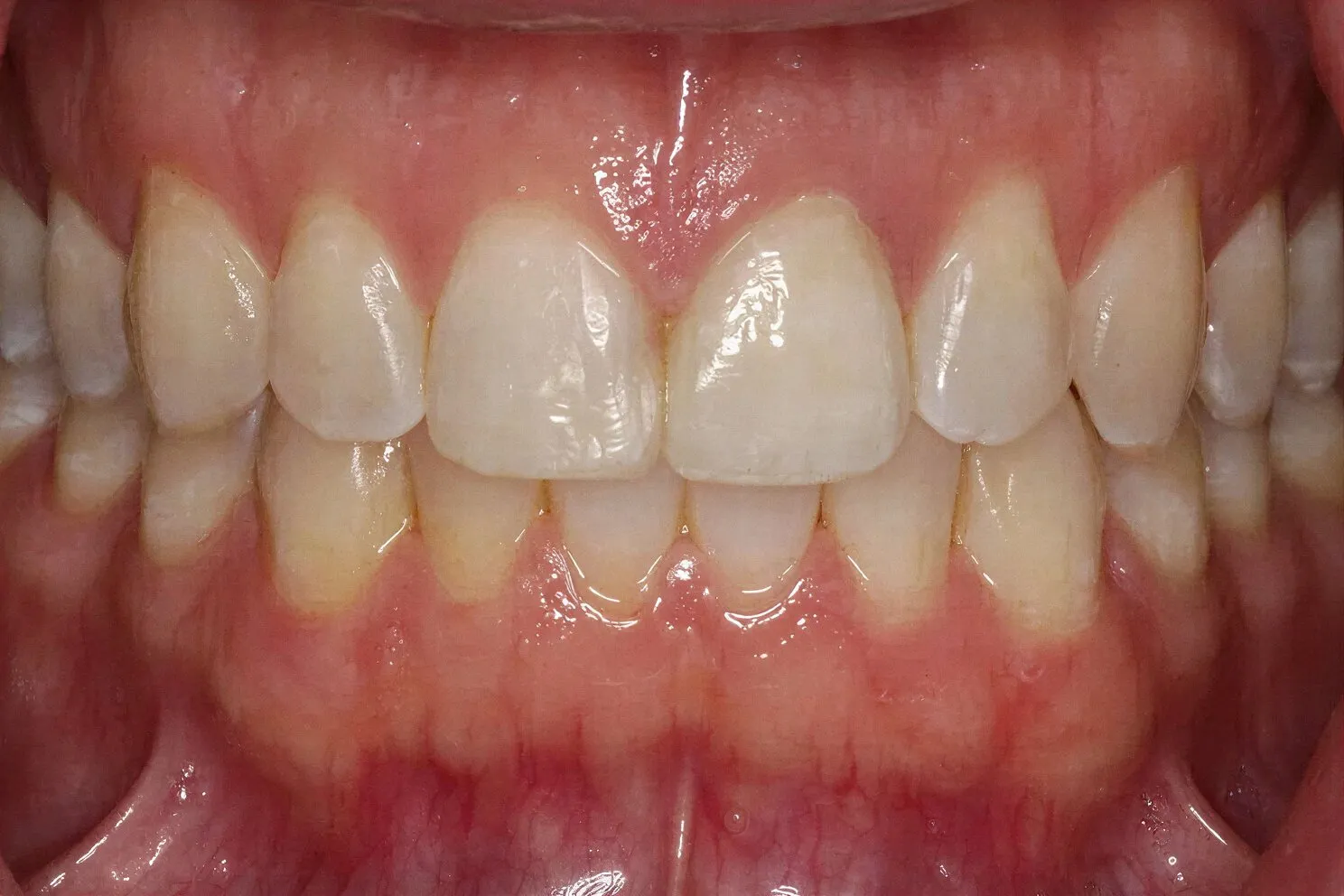
This patient had an old dental bonding on his central incisor that was failing. The adhesive margin displayed areas of discoloration and the bonding was discolored. After providing the patient with the option of a porcelain veneer or a dental bonding, the patient proceeded with direct bonding of the tooth.
In less than 1 hour and without anesthesia, the patient left the clinic with a new dental bonding that integrated harmoniously with his adjacent teeth and smile.
— Will K., New York, NY
Understand Our Process
What Are the Stages of a Dental Bonding Procedure?
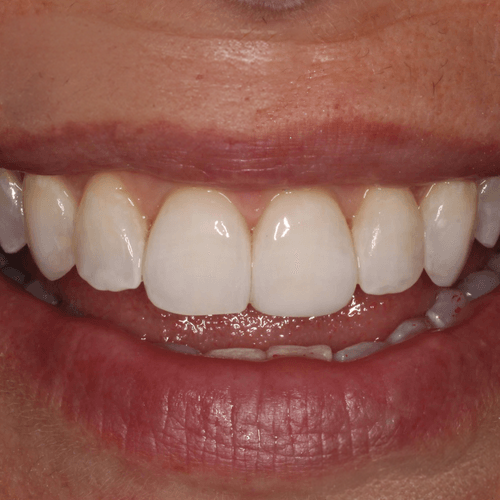
Composite Bonding
Step-by-step
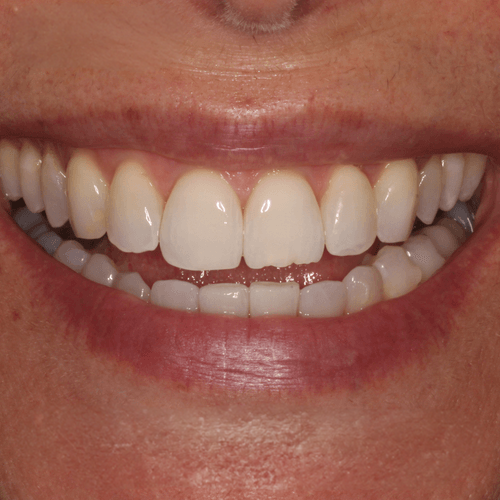
Pre-Op
Patient presented with chipped front tooth and worn canine teeth
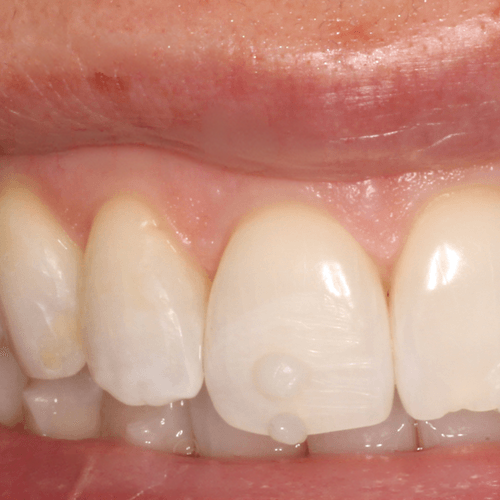
Shade Mapping
Composite resin matched to enamel
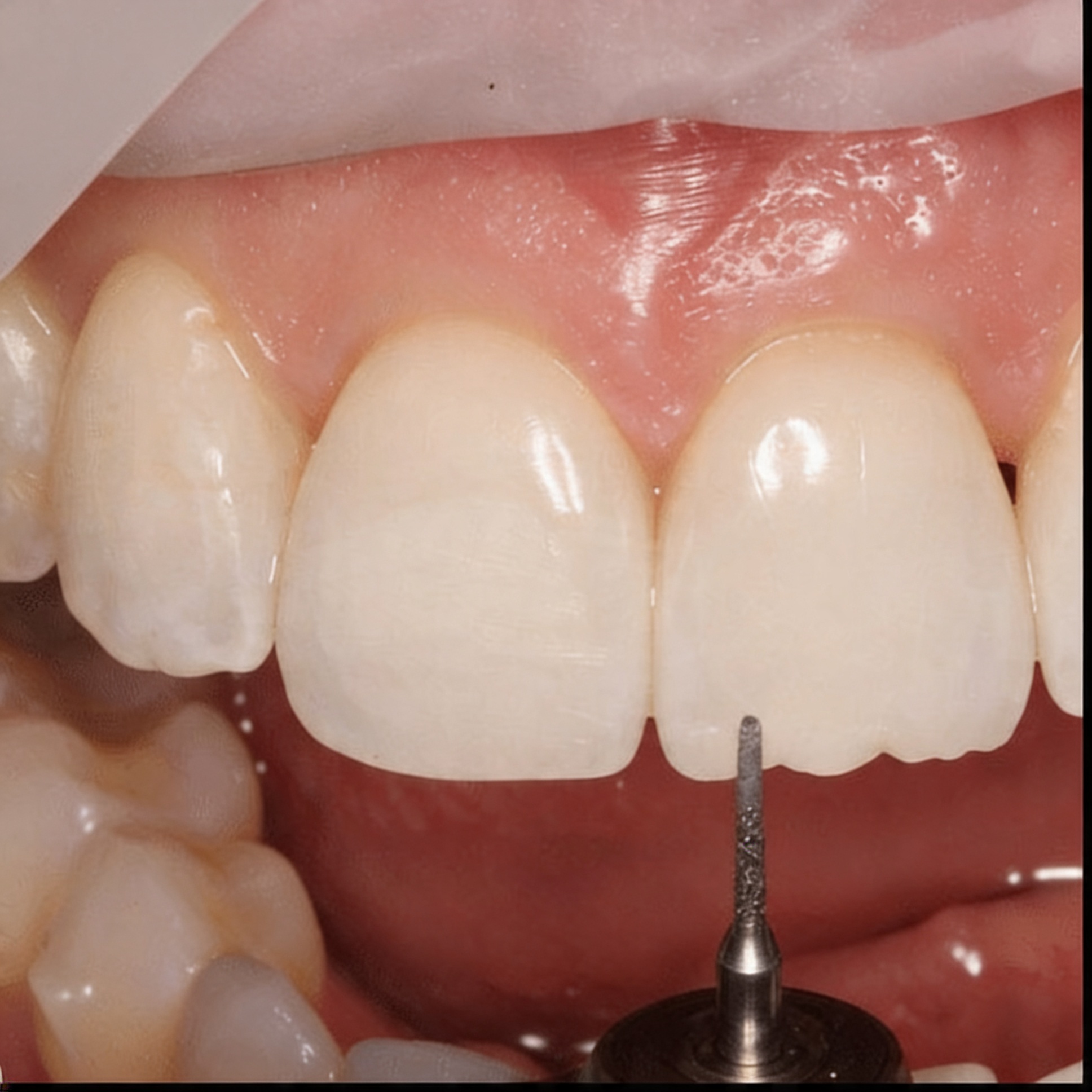
Tooth Preparation
Enamel prepared with a 2-3mm bevel with a fine red diamond
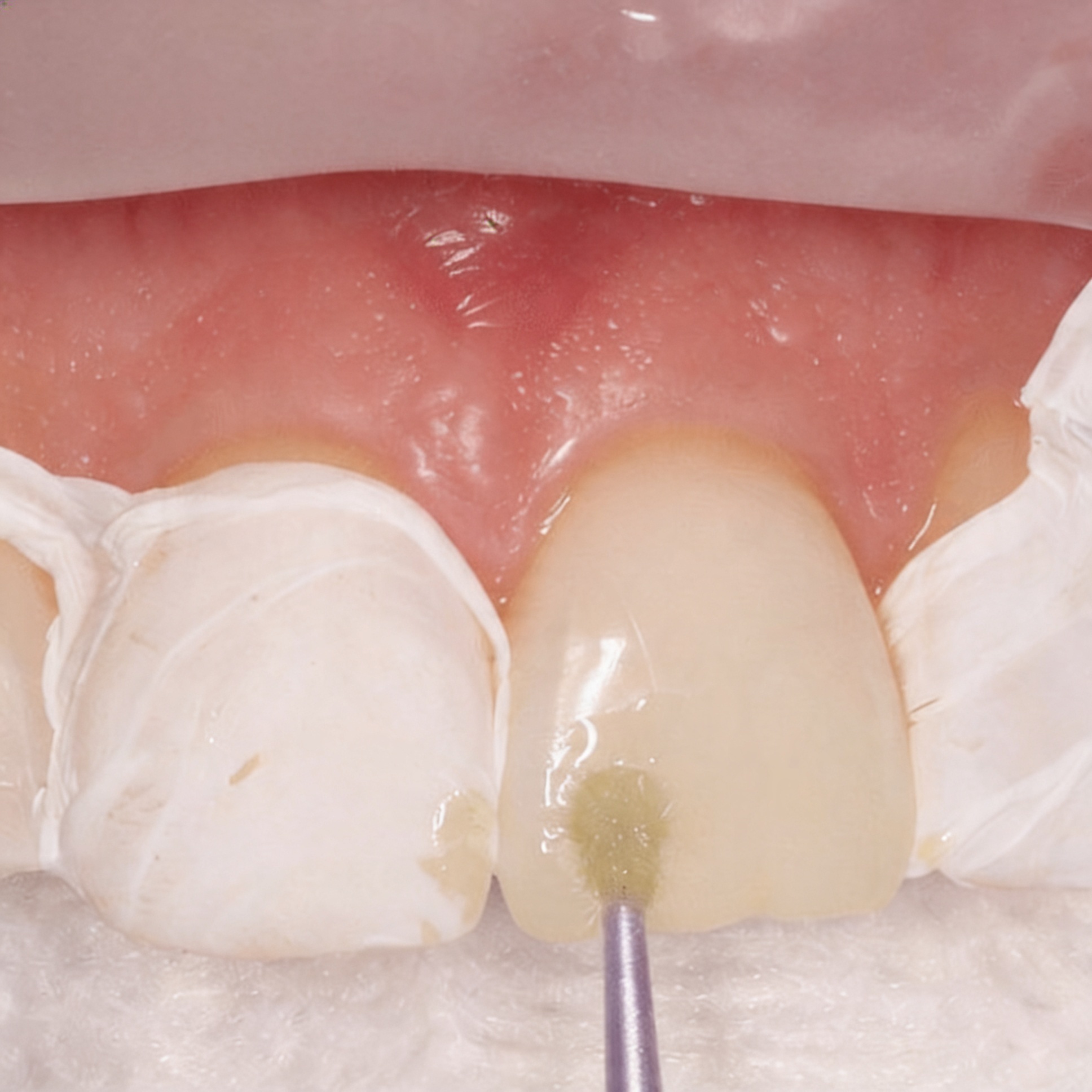
Isolate, Etch and Apply Adhesive
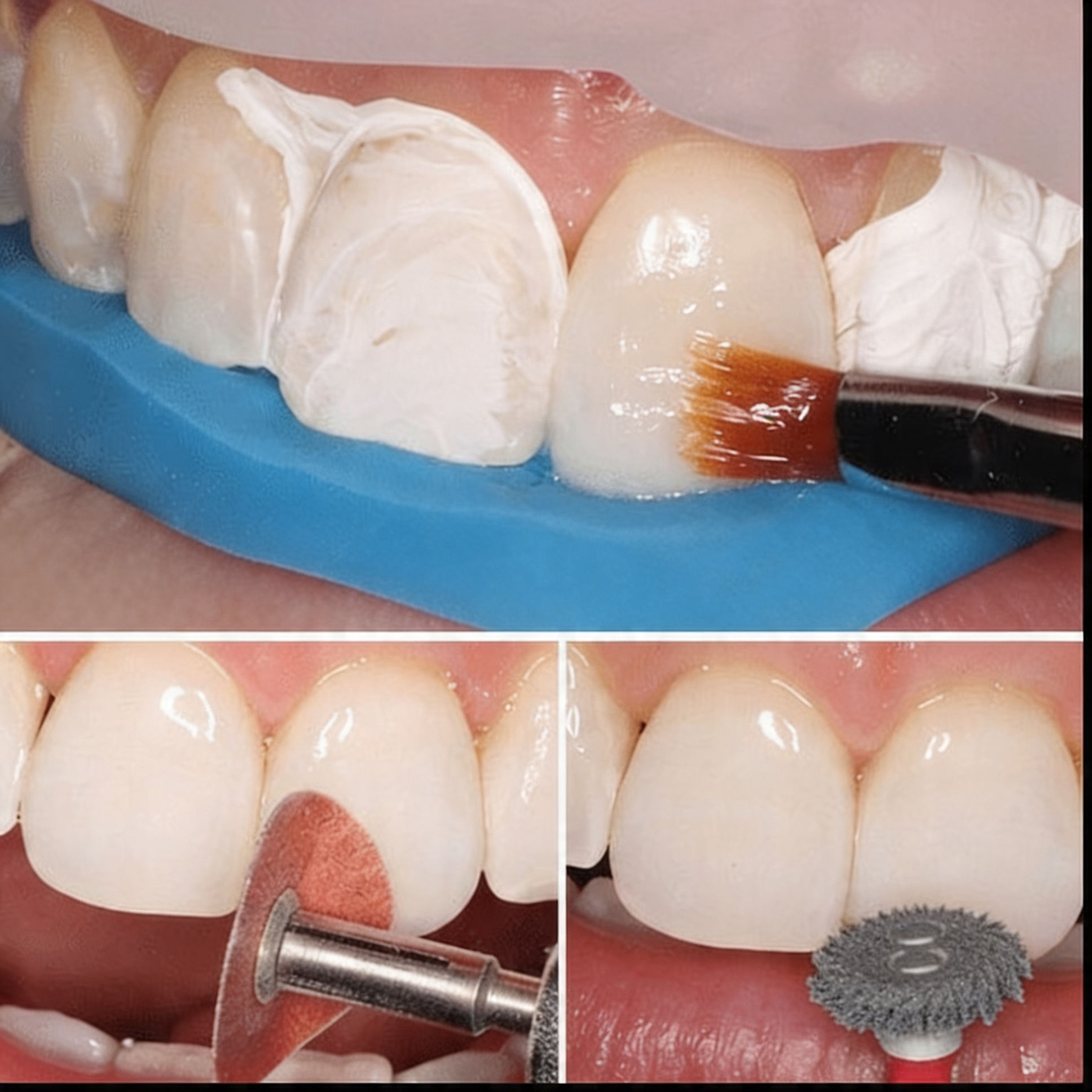
Composite Adaptation
Composite adapted to tooth, finished & polished
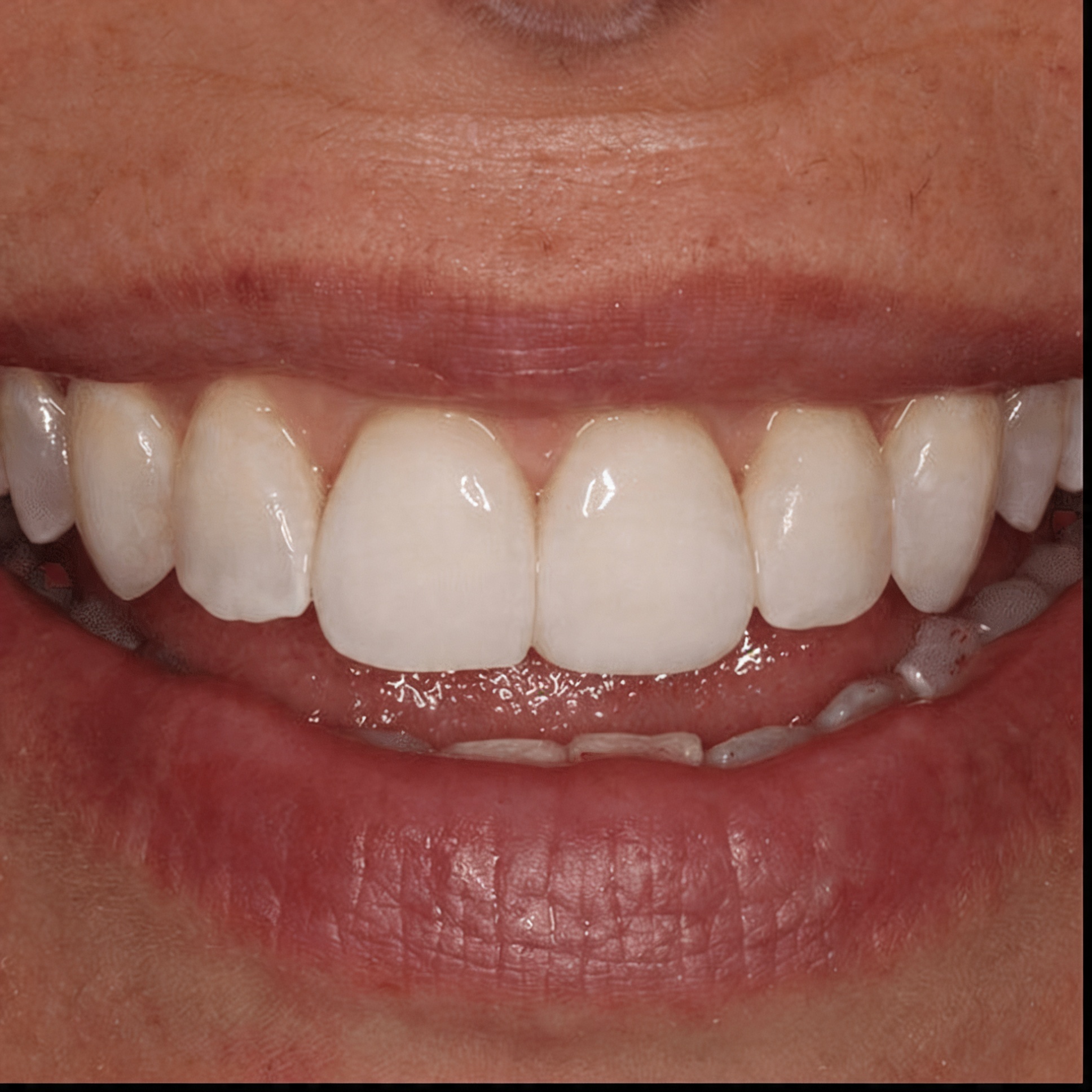
Results


Frequently Asked Questions
What is cosmetic dental bonding?
Cosmetic dental bonding is a minimally invasive cosmetic procedure where a tooth‑colored resin material is sculpted onto your tooth to repair imperfections such as chips, cracks, gaps between teeth, uneven shape, and mild discoloration. Because bonding can often be completed in a single visit, it’s a popular smile enhancement option for adults in NYC.
How long does cosmetic bonding last?
The lifespan of cosmetic bonding varies — most patients enjoy well‑maintained results for 5 to 10 years. Longevity depends on your oral hygiene, bite habits, diet, and frequency of dental visits. If the bonded material shows wear, it can be polished or replaced to refresh your smile.
Is cosmetic bonding painful?
No. Cosmetic bonding is typically painless and often done without anesthesia. Sensitivity is minimal because the process mainly involves applying and shaping composite resin to the tooth surface. Local anesthesia may be used only if decay is being treated during the same visit.
How much does cosmetic bonding cost in NYC?
The cost of cosmetic dental bonding in New York City depends on the number of teeth being treated and the complexity of your smile goals. At Core Smiles, we provide a customized estimate during a thorough consultation after evaluating your oral health and cosmetic needs. Certain aspects of bonding tied to restorative treatment may be partially covered by dental insurance.
Can cosmetic bonding fix gaps and chips in teeth?
Yes. Cosmetic bonding is very effective for repairing chipped or cracked teeth, closing small gaps, and improving tooth shape. It can be an excellent solution when you want a natural, harmonious smile without placing full crowns or veneers.
How does cosmetic bonding compare to veneers?
Both cosmetic bonding and veneers improve the appearance of teeth, but they differ in approach. Bonding uses a composite resin applied directly to the tooth and is more conservative and usually less expensive. Veneers are porcelain shells that cover the front of the tooth and tend to be more stain‑resistant and longer lasting. Your cosmetic dentist will help you choose the option that best matches your aesthetic goals and oral health.
What should I do after cosmetic bonding to protect it?
To help your bonding last longer:
- Brush and floss regularly
- Avoid chewing on ice, hard candy, or other very hard objects
- Limit staining foods and drinks when possible
- Continue routine dental check‑ups and cleanings
Core Smiles may recommend personalized habits based on your bite and lifestyle.