TMJ Treatment NYC
Effective TMJ Pain Relief — Treatment Options Explained
Advanced Jaw Pain, Bite Disorder & Muscle-Based TMJ Treatment
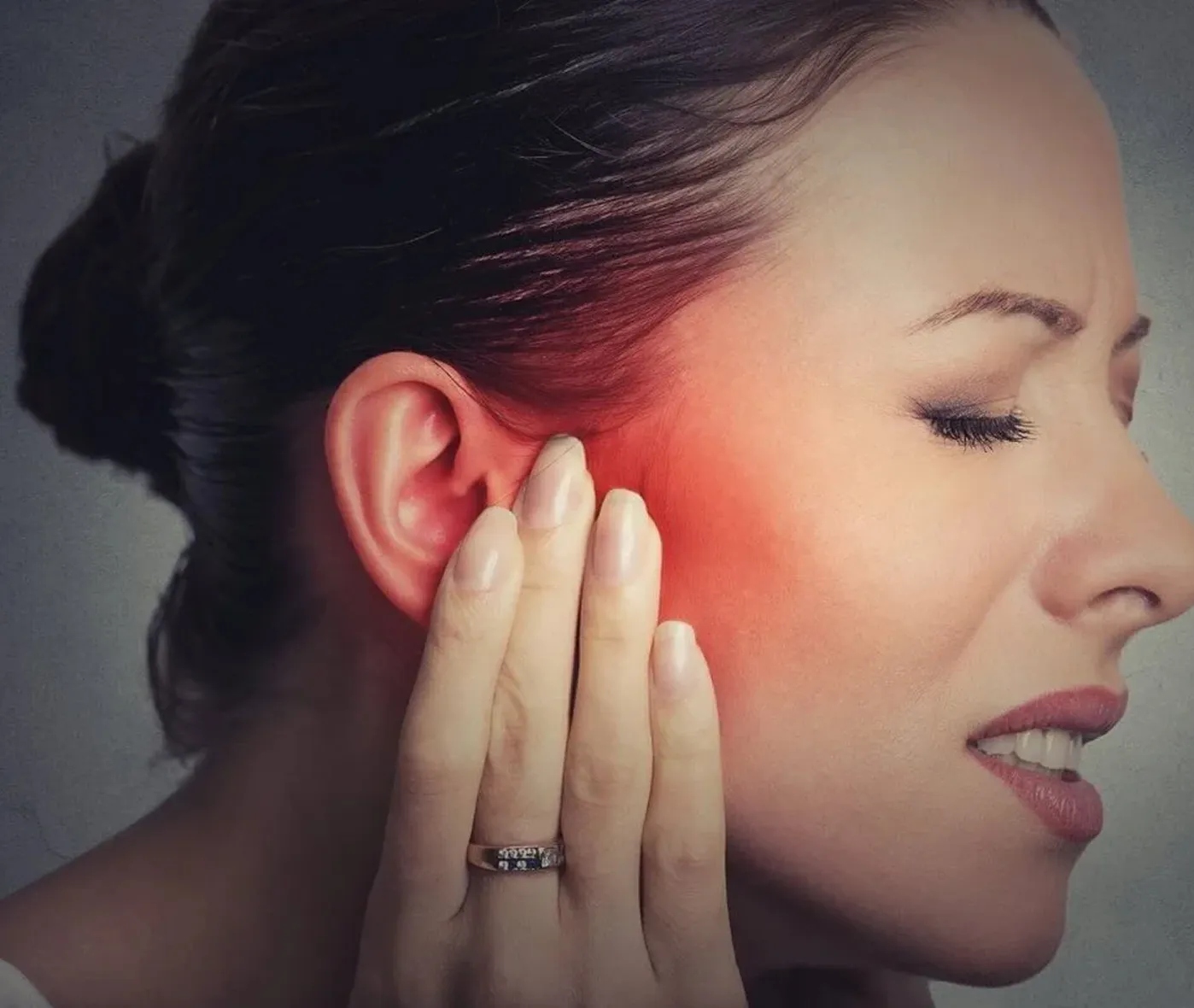
If you are experiencing jaw pain, ear pressure, headaches, facial tension, jaw clicking, or bite discomfort, you may be suffering from temporomandibular joint (TMJ) disorder — a condition that is often misdiagnosed, mistreated, and misunderstood.
At Core Smiles in NoMad Manhattan, TMJ is not treated as a dental afterthought. It is approached as a neuromuscular and occlusal system disorder, led by Dr. Michael P. Gulizio, a prosthodontist trained in complex bite, joint, and muscle relationships.
This difference matters.
Understanding TMJ
What Is TMJ Disorder?
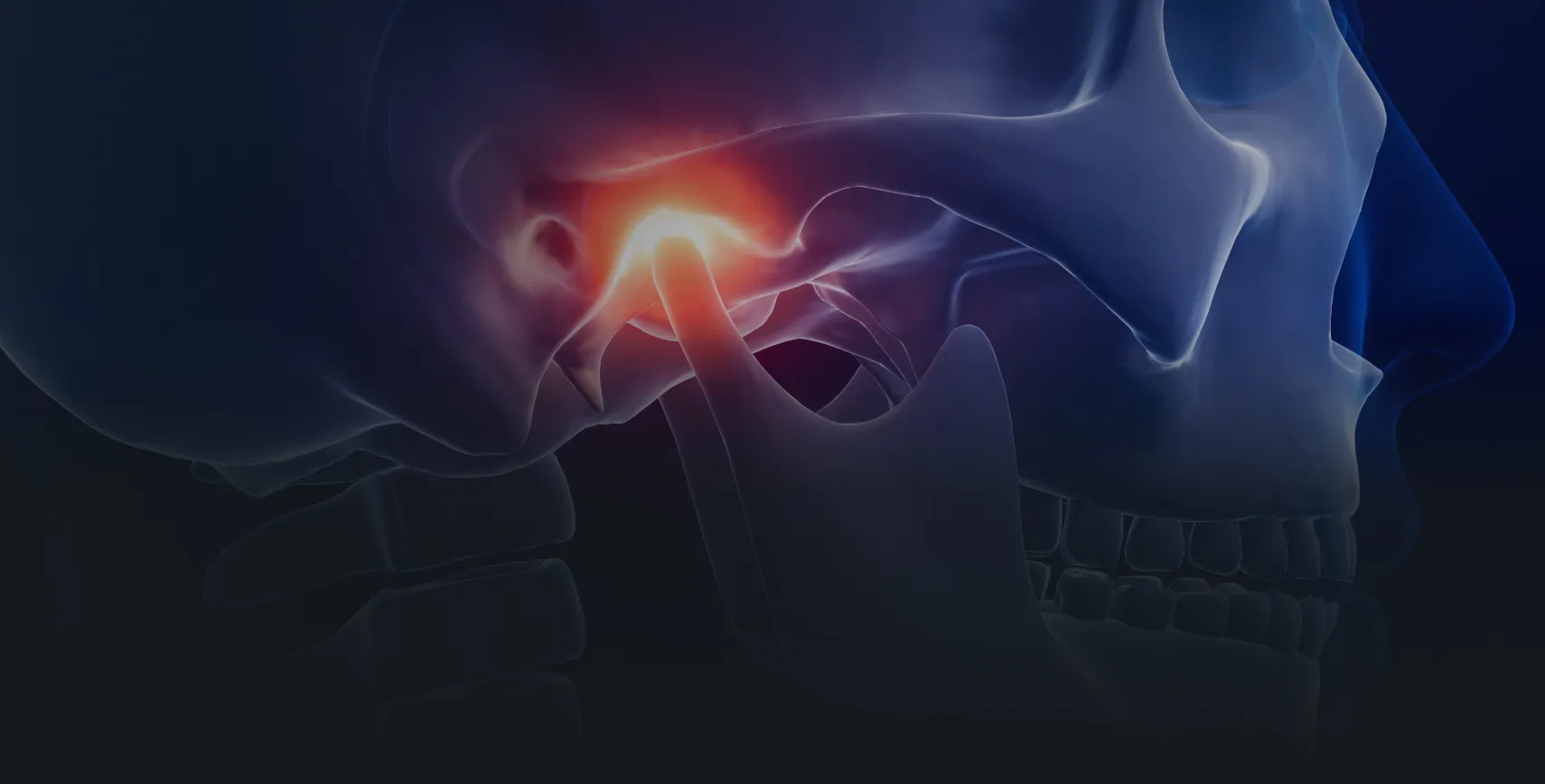
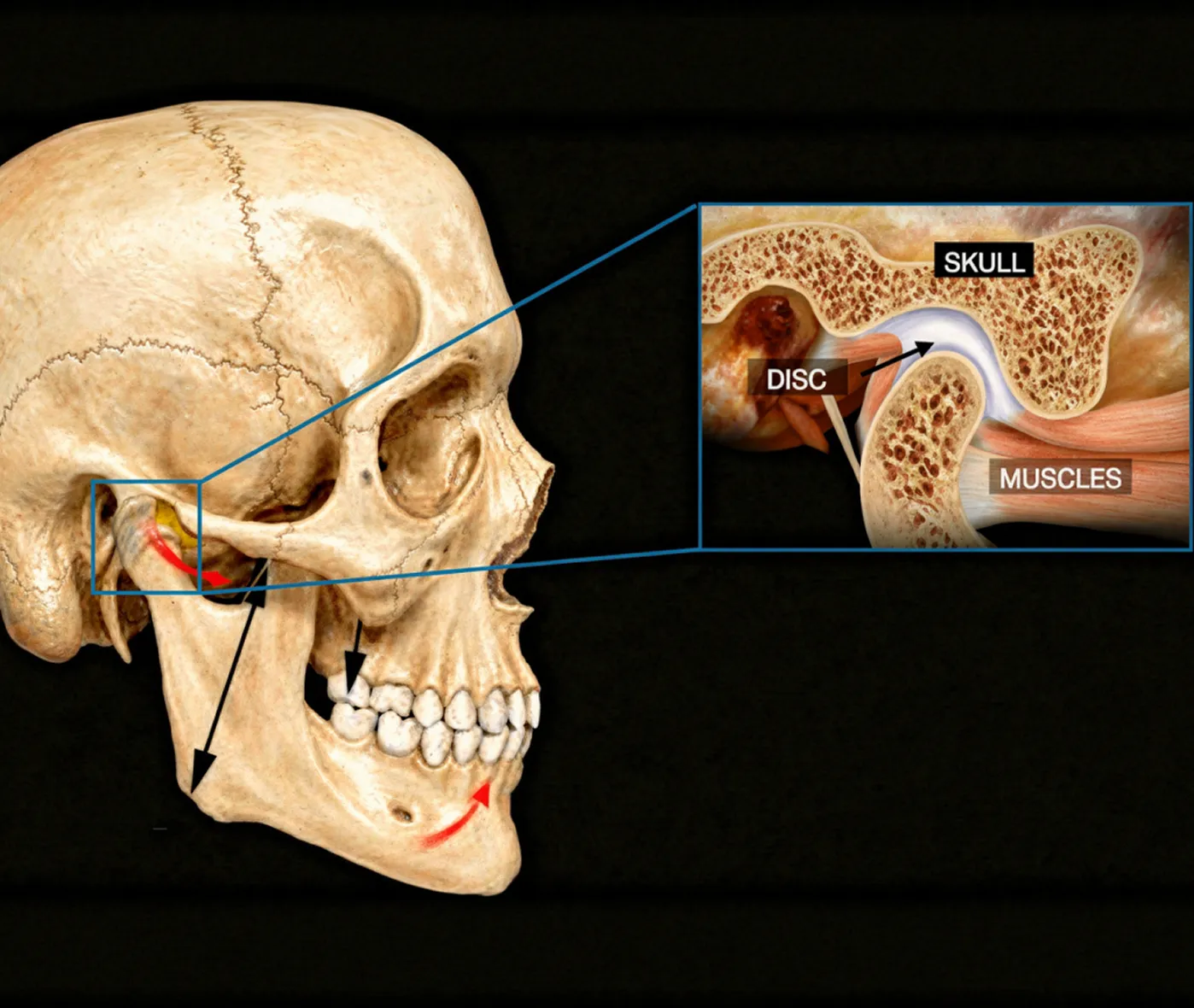
TMJ disorder occurs when the jaw joints, muscles, and bite relationship no longer function in harmony. The temporomandibular joints connect your lower jaw to your skull and are among the most complex joints in the human body.
When the bite is unstable or the muscles are overworked, the joint becomes inflamed, compressed, or displaced — producing symptoms that extend far beyond the jaw.
It is a biomechanical disorder of the entire craniofacial system.
Symptoms
What Are the Most Common TMJ Symptoms and Causes?
TMJ refers to the temporomandibular joint, which is the bone structure, cartilage and connective tissue that surround the jaw and control chewing. Disorders of this joint are referred to as Myofascial Pain Dysfunction or TMJ Disease.
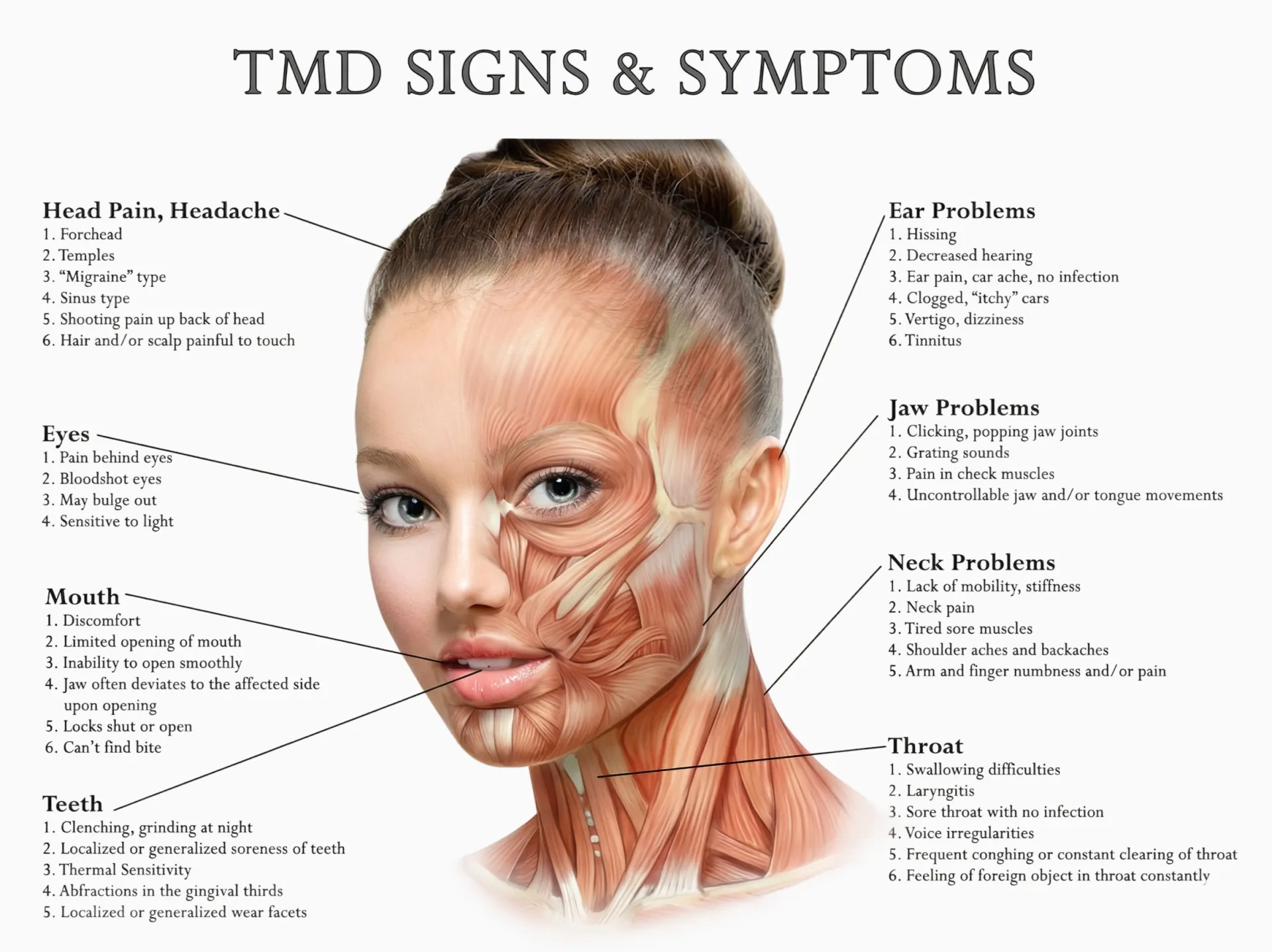
TMJ often presents as:
Many patients are first sent to ENTs, neurologists, or physical therapists — yet the underlying cause remains undiagnosed — this is because TMJ is frequently a bite and muscle problem masquerading as something else.
Root Cause
Why TMJ Is Often a Bite and Muscle Disorder
Your jaw does not close randomly. It closes into a precise three-dimensional bite position guided by your teeth, muscles, and joints. When that position is unstable — due to wear, orthodontics, missing teeth, or occlusal collapse — your muscles must compensate. Over time, this leads to:
- Chronic muscle spasm
- Joint compression
- Disc displacement
- Inflammation and pain
Most TMJ treatments fail because they address symptoms instead of biomechanics.
Understanding TMJ Pain
Why Do People Get TMJ Pain?
In many cases, TMJ Dysfunction (TMJD) is due to a discrepancy in how the teeth fit together in a comfortable biting position and the "orthopedically-stable" position, or a position in which the jaw joint is properly supported by muscles and ligaments in our skull. This discrepancy causes muscles that move the lower jaw to spasm or tighten.
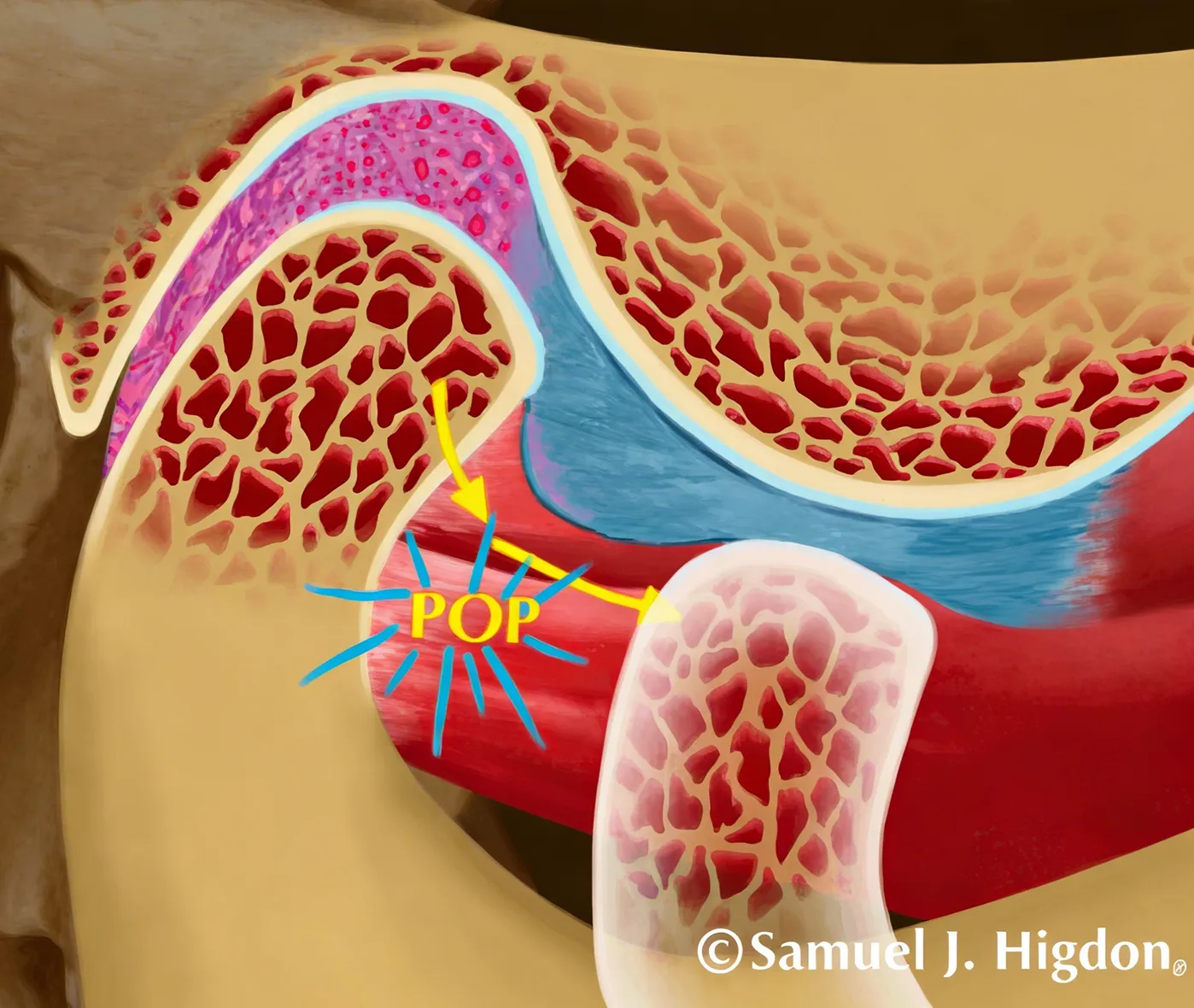
Some of these muscles are connected to a disc that helps cushion our lower jawbone against our skull. When these muscles tighten, the disc is not allowed to move properly and as a result, a "click" may be felt or heard upon opening and closing. This click is your lower jawbone jumping off of the disc — a serious condition that can lead to arthritis and degenerative joint disease — and a condition that needs to be treated immediately.
Difference
What Is the Difference Between the Comfortable Biting Position and the Orthopedically Stable Position?
Comfortable Biting Position
The comfortable biting position is how our teeth fit together comfortably; however, even though teeth may fit together comfortably, the TMJ jaw joint might be out of place. When this happens, TMJ symptoms start — and usually the first symptom is an audible "click" when you open or close, or muscle pain around the TMJ jaw joint.
Orthopedically Stable Position
The orthopedically-stable position exists when our TMJ jaw joint is in the correct position within our skull with all of the jaw muscles in a state of release. In this position, all of the teeth should fit together perfectly. When the teeth do not fit together perfectly, the lower jaw has to move away from teeth contacting which causes the jaw joint to fall out of place. This, in turn, leads to muscle tension around the TMJ jaw joint which then manifests in pain.

Diagnosis
How Dr. Gulizio Diagnoses TMJ Disorders
As a prosthodontist, Dr. Gulizio evaluates TMJ using a systems-based approach:
This is fundamentally different from a general dentist or orthodontist who focuses only on teeth alignment. TMJ is a functional disorder — not a cosmetic one.
Root Cause
How Is TMJ Treated? Jaw Pain Relief Options Explained
There are many philosophies on how the TMJ is treated ranging from conservative therapy to surgical intervention. Dr. Gulizio — our TMJ specialist and prosthodontist - believes in a conservative approach to TMJ treatment. Depending on the severity of your condition, he may recommend one or more of the following treatment modalities:
Myofascial Release with TMJ Massage
Specialized splints and appliances
Physical Therapy
Anti-inflammatory medication
Botox Injections
Myofascial Release with TMJ Massage
Can Myofascial Release Help TMJ Pain?
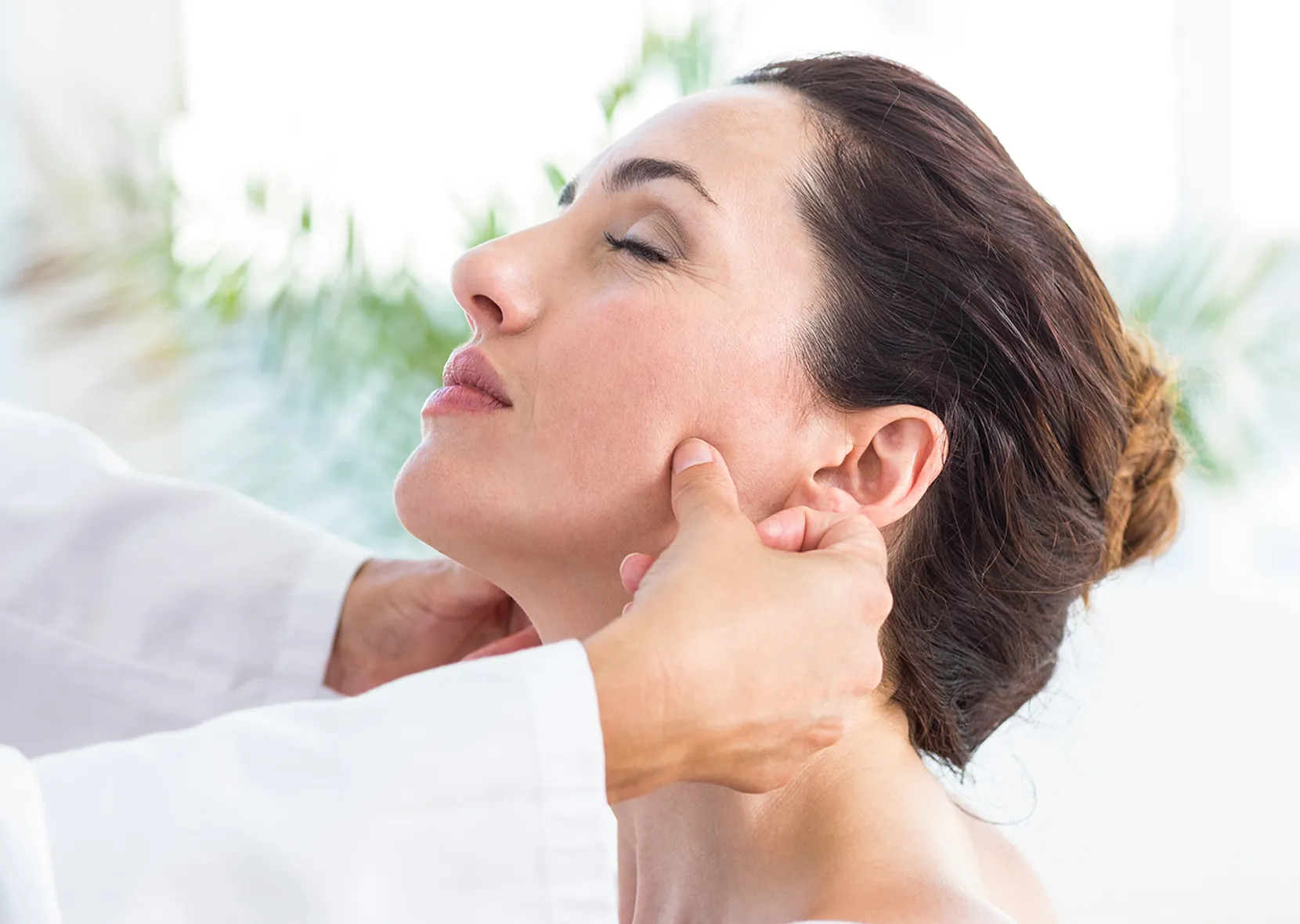

Myofascial release involves gentle manipulation of the muscles associated with the TMJ jaw joint.
Myofascial release is a procedure performed by a trained professional to help release the muscle strain associated with the TMJ muscles. Although myofascial release may relieve pain and symptoms, it will not eliminate the underlying cause of TMJ disorder. It is important to understand that "self-massaging" to or around the TMJ muscles can in many cases do more damage than good. The muscles that become strained will work together and are interconnected; therefore, stretching and treatment should include all muscles, which should not be manipulated by self-massage. Ligaments — unlike muscles — do not stretch, but rather elongate. Once ligaments have elongated they no longer protect the TMJ jaw joint from its proper place of position and overstretched ligaments / muscles may be hard to retract to normal articulation.
Once you have been evaluated by Dr. Gulizio, he will formulate a treatment plan for you that may include myofascial release in addition to the implementation of a TMJ bite splint.
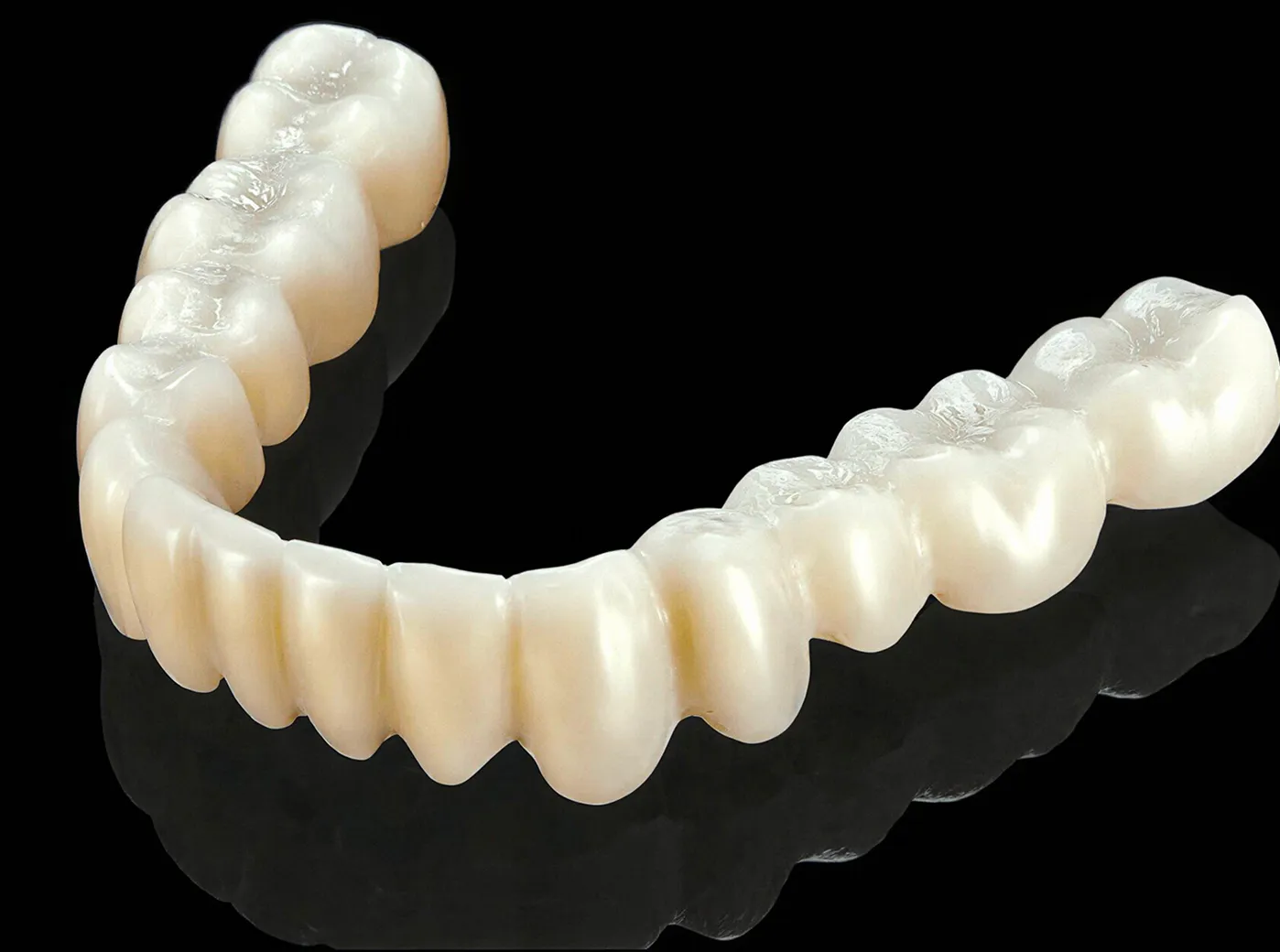
TMJ Splint: Unlike a nightguard, this device helps reposition the lower jaw to release muscle strain & set TMJ jaw joint into the correct position.
Specialized splints and appliances
TMJ Bite Splints in NYC — Orthotics, Benefits & Differences from Nightguards
A TMJ bite splint is a removable appliance made to release the muscle strain and tension in the area of the TMJ jaw joint. This device helps to "reset" the TMJ jaw joint into the correct position within the skull, thereby eliminating the pain associated with TMJ disorders.
TMJ splints are not nightguards as they function very differently than a nightguard appliance. A nightguard will only help protect your teeth from wear during clenching and grinding, but it will not fix your TMJ symptoms nor will it help correct TMJ dysfunction.
TMJ bite splint therapy requires a visit to our clinic on a monthly basis. These visits are usually very quick and they allow Dr. Gulizio to evaluate the progress of your TMJ treatment. It is important to understand that although a bite splint may eliminate your TMJ pain entirely, additional treatment may be needed to correct the position of your teeth so that your TMJ jaw joint remains stable and pain-free.
Physical Therapy
Physical Therapy for TMJ — Exercises, Mobility & Function
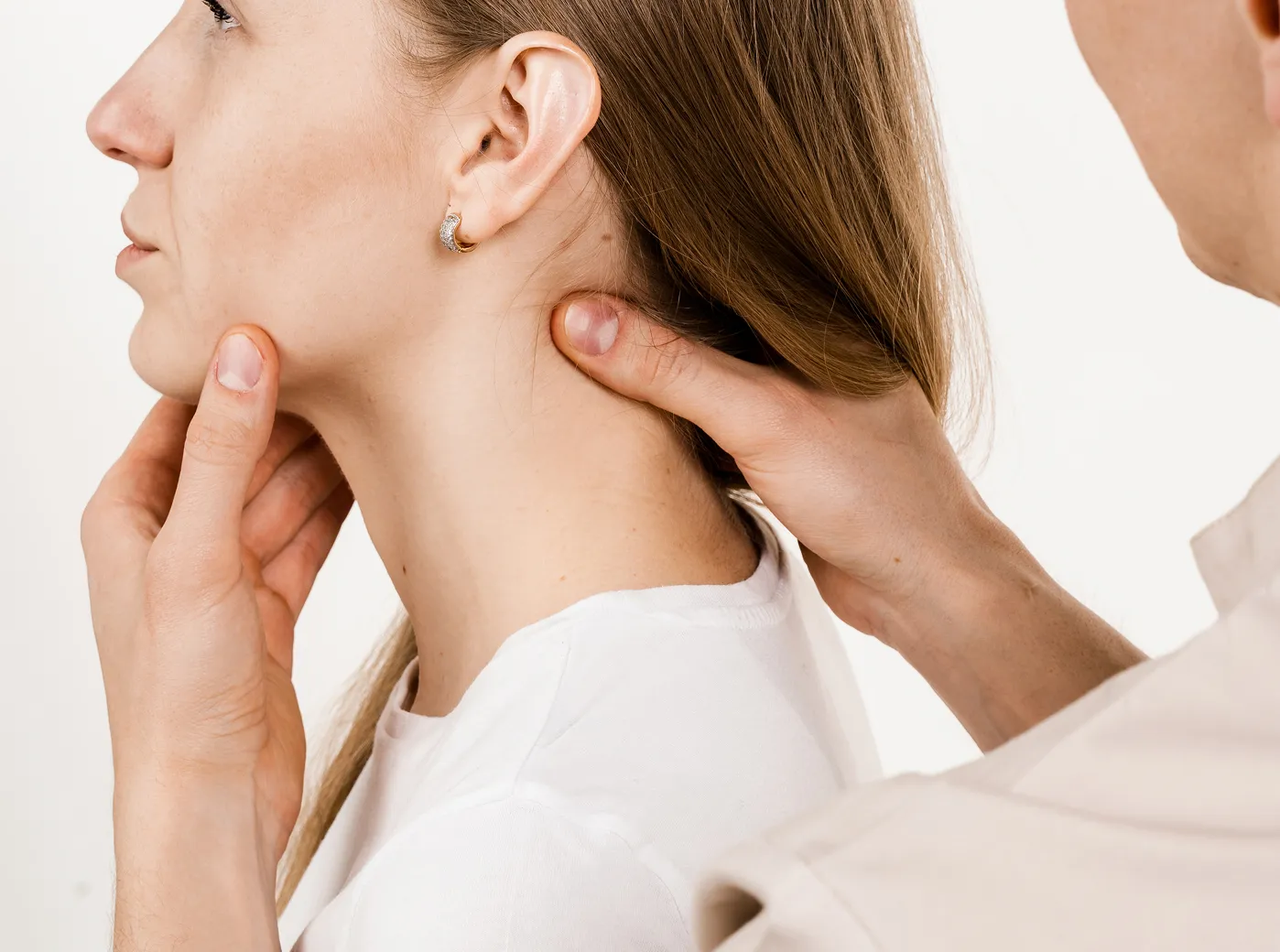
Physical therapy plays a crucial role in the comprehensive management of patients with TMJ (temporomandibular joint) symptoms. TMJ disorders can cause various issues, including jaw pain, stiffness, reduced jaw mobility, and even headaches. Physical therapy aims to alleviate these symptoms and improve overall jaw function. It involves a range of specialized techniques tailored to each patient's needs. One key component of TMJ physical therapy is exercises that help strengthen weak jaw muscles and improve jaw range of motion. These exercises promote flexibility and stability in the jaw joint, alleviating pain and restoring normal functionality.
Another important aspect is manual therapy, where a trained therapist applies specific techniques to release muscle tension and realign the jaw joint. This can help reduce pain and improve joint mobility. Additionally, physical therapists may provide education on posture, relaxation techniques, and lifestyle modifications to minimize stress on the jaw joint. By addressing the underlying causes and providing targeted therapies, physical therapy can significantly improve TMJ symptoms, enhance jaw function, and promote a better quality of life for patients.
Ear Ringing
Is There a Link Between TMJ and Ear Ringing?
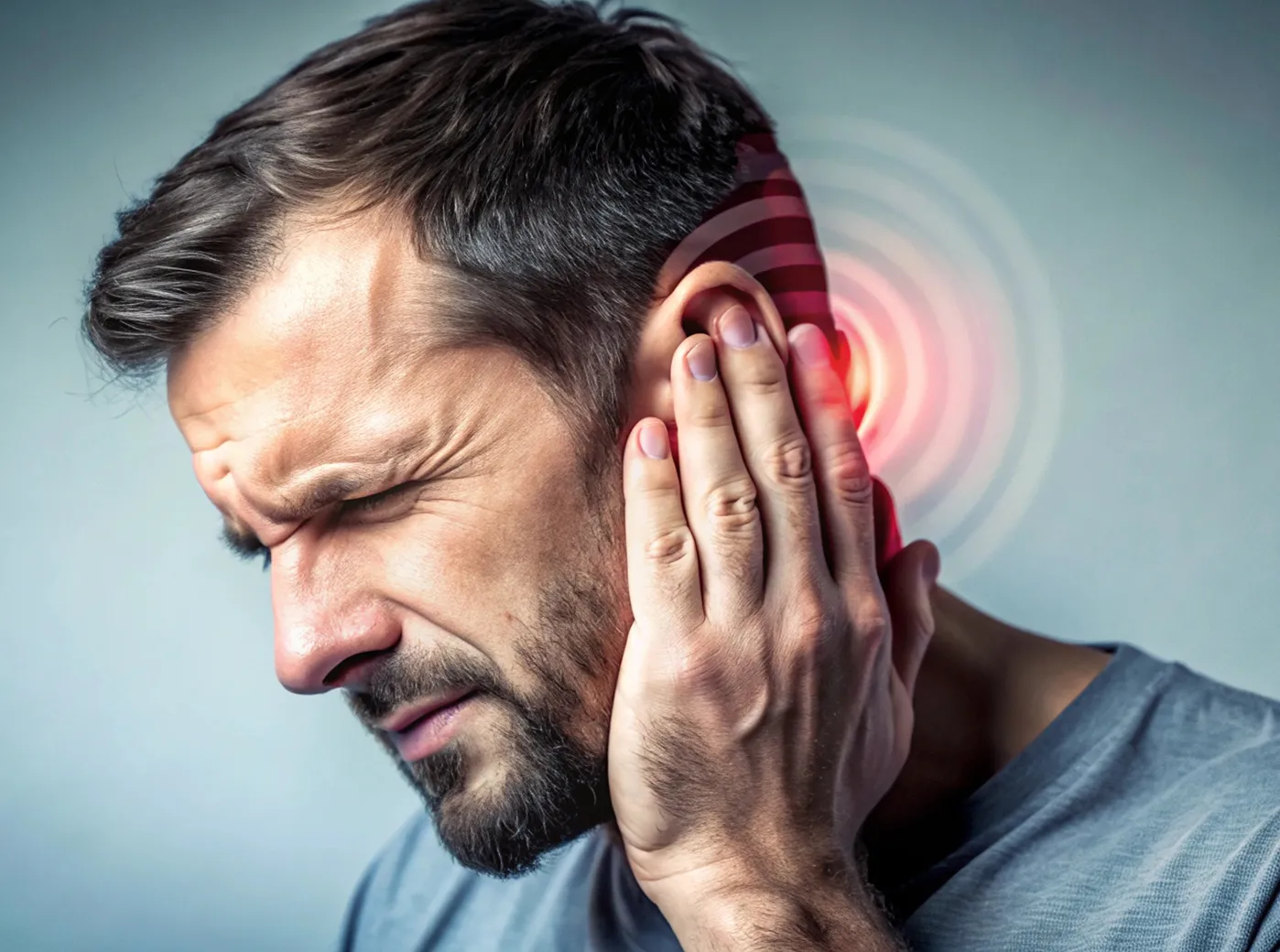
TMJ dysfunction and tinnitus are closely correlated due to the anatomical and neurological connections between the temporomandibular joint and the auditory system. Dysfunction in the TMJ can lead to muscle tension, inflammation, and nerve irritation, which may influence the inner ear and auditory pathways, resulting in a perception of ringing or buzzing sounds known as tinnitus. Patients experiencing TMJ tinnitus often report that their ear symptoms fluctuate with jaw movement or dental issues. Addressing TMJ dysfunction through targeted dental treatments can significantly alleviate tinnitus symptoms, highlighting the importance of integrated care in managing these conditions.

Medications
TMJ Pain Treatments: Trigger Point Injections & Medications
Another option to manage TMJ symptoms include trigger point injections of anesthetic or steroids. These injections can provide targeted relief by numbing the specific trigger points that are causing pain and discomfort. By blocking the pain signals, the injections help to relax the muscles and alleviate the symptoms of TMJ disorder. In some cases, a combination of anesthetic and steroids may be used for optimal results.
Moreover, oral medications can also be prescribed to help the muscles around the TMJ jaw joint relax. These medications work by reducing inflammation and promoting muscle relaxation, which can significantly improve the patient's comfort and overall well-being. Patients with complex TMJ dysfunction who require steroid and/or anti-inflammatory injections, or surgical intervention, are referred to an orofacial pain specialist.
Botox Injections
Botox for TMJ Pain Relief — Benefits, Indications & Limitations
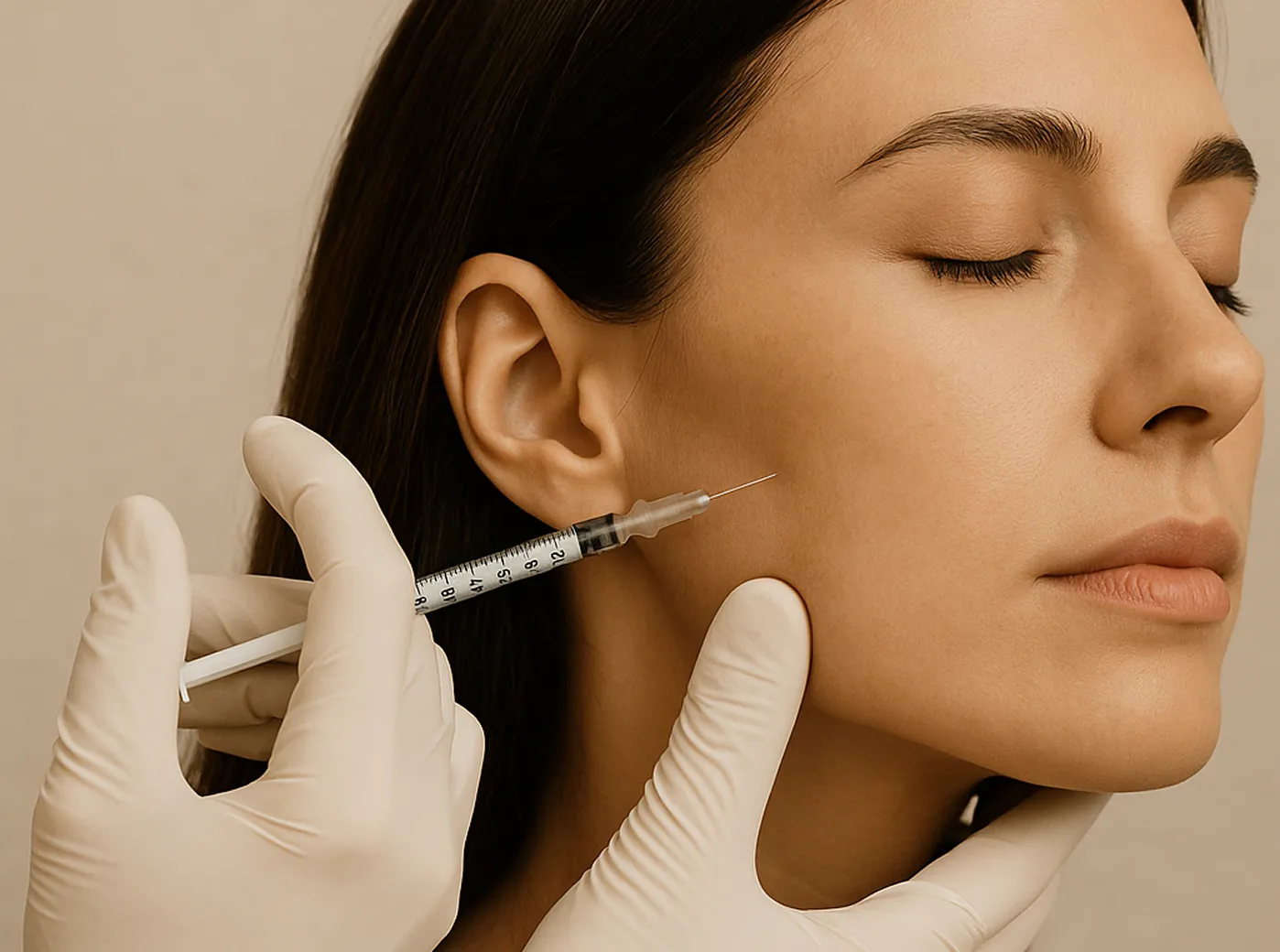
Botox can be beneficial for TMJ patients who present with myofascial pain, but it may not be suitable for those with TMJ disc dislocations. Myofascial pain involves muscle tension and trigger points in the jaw muscles, leading to discomfort and limited jaw function. Botox, when injected into these specific muscles, can help relax them and reduce muscle contractions, providing relief from myofascial pain. However, for patients with TMJ disc dislocations, where the disc that cushions the jaw joint slips out of its normal position, Botox is not typically recommended as a primary treatment. Disc dislocations often require a different approach, such as splint therapy or corrective dental procedures, to address the underlying issue and realign the jaw joint.

Dr. Michael Gulizio
TMJ Evaluation in NYC — Diagnosis, Exams & What to Expect
Our prosthodontist and TMJ specialist in NYC, Dr. Michael Gulizio, will take a thorough medical and dental history, assess your diet, daily habits and review any medications you are currently taking. He will then examine your bite and jaw joints using 3D scanning technology.
Based on Dr. Gulizio's assessment, he will then determine which course of treatment is best for you. Dr. Gulizio's initial approach is always conservative treatment using physical therapy techniques and a TMJ bite splint. For patients with complicated TMJ disorders, referral to an orofacial pain specialist who may prescribe medications and implement trigger point injections is necessary.
FAQ
TMJ FAQs in NYC
What are the common symptoms of TMJ disorder?
TMJ disorder (TMD) can cause a variety of symptoms, including jaw pain, clicking or popping noises, difficulty opening or closing the mouth, headaches, ear pain or pressure (including ringing/tinnitus), facial muscle tension, and difficultychewing. These symptoms can worsen with stress, prolonged talking, or eating hard foods.
How is TMJ disorder diagnosed in New York City?
At Core Smiles in NYC, we diagnose TMJ disorder through a comprehensive clinical evaluation that includes a detailed medical and dental history, bite analysis, muscle palpation, and advanced imaging such as 3D CBCT scans when appropriate. This helps us determine the root causes of your symptoms and tailor a precise treatment plan.
What are the treatment options for TMJ pain?
TMJ treatment depends on your symptoms and diagnosis. Common evidence-based approaches include:
- Custom bite splints and orthotics
- Myofascial release and physical therapy
- Trigger point injections
- Medications for muscle relaxation or inflammation
- Botox for chronic muscle-related pain
- Lifestyle and behavioral modifications
Can TMJ disorder cause headaches and ear symptoms like tinnitus?
Yes. TMJ dysfunction often refers pain to surrounding structures, which can lead to headaches, facial tension, ear pressure, and tinnitus (ringing in the ears). Because the jaw muscles and nerves are interconnected with the ears and head, these symptoms are common in patients with TMD.
How long does TMJ treatment take to work?
Treatment times vary. Some patients notice pain relief within a few weeks of beginning conservative therapy, while others experience a gradual functional improvement over several months. Your personalized plan, consistency with splint wear and therapy routines, and symptom severity all influence how quickly you feel better.
Does insurance cover TMJ treatment in NYC?
Insurance coverage for TMJ treatment varies by plan and provider. Some dental and medical plans cover portions of evaluation and conservative therapy. At Core Smiles, our team can verify your benefits, assist with pre-authorization, and supply documentation to help you maximize coverage.
Are there at-home remedies that help TMJ symptoms?
Yes. At-home strategies that support professional care include:
- Gentle jaw stretching and relaxation exercises
- Ice or heat therapy
- Soft food diet modifications
- Stress reduction techniques
- Avoiding gum chewing and hard foods
These can reduce muscle tension and discomfort but are best used alongside your customized treatment plan.