Muscle Repair & TMJ
BPC-157
Body Protection Compound · 15-Amino Acid Peptide
A synthetic peptide derived from a naturally occurring protein in human gastric juice, studied extensively for its ability to accelerate healing of muscles, tendons, ligaments, and connective tissue — with direct applications for TMJ disorder and myofascial pain.
What It Is & How It Works
What is it?
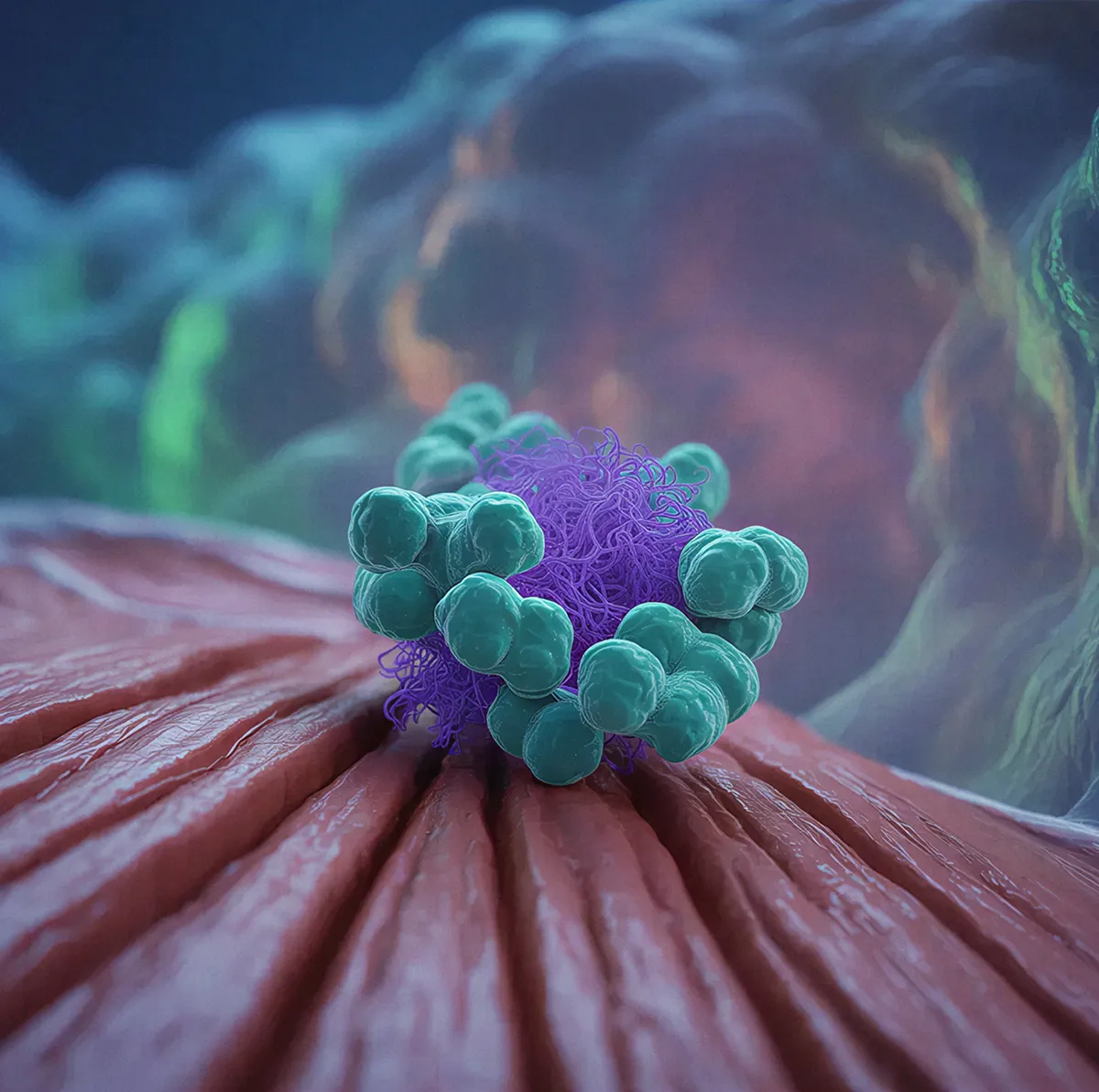
BPC-157 is a stable, synthetic 15-amino acid peptide derived from a naturally occurring protein found in human gastric juice. It has been studied extensively in animal models and early human trials for its tissue-healing, anti-inflammatory, and musculoskeletal repair properties across multiple organ systems.
How does it work?
BPC-157 activates angiogenesis (new blood vessel formation) to restore blood supply to damaged tissue, upregulates growth hormone receptors in tendons and muscles, modulates the nitric oxide system to reduce localized inflammation, stimulates fibroblast proliferation for collagen synthesis, and downregulates TNF-α and IL-6 — the primary cytokines driving chronic myofascial pain.
TMJ & Myofascial application
For TMJ patients, BPC-157 accelerates healing of overloaded masticatory muscles (masseter, pterygoids, temporalis), reduces inflammatory activity within the joint capsule, supports collagen remodeling in the articular disc and periodontal ligament, and modulates the chronic trigger point pain patterns that drive referred jaw headaches.
Key Benefits
- Accelerates healing of overloaded and injured masticatory muscles
- Reduces inflammatory cytokines (TNF-α, IL-6) in the TMJ and surrounding soft tissue
- Supports collagen remodeling in the articular disc, joint capsule, and periodontal ligament
- Modulates chronic trigger point pain and referred headache patterns
- Speeds post-procedural recovery following dental appointments, injections, or orthotic adjustments
- Promotes angiogenesis — restoring blood supply to damaged tissue for faster healing
Delivery Methods
Oral Capsule
Once or twice daily — most convenient, no technique required · moderate systemic bioavailability
Sublingual Spray
Absorbed under the tongue · bypasses first-pass metabolism · patient-preferred needle-free option
Note: Your provider will recommend the most appropriate delivery method based on your clinical presentation, the acuity of your TMJ symptoms, and your personal preference. Most patients begin with sublingual spray or injection for faster onset.
Possible Side Effects
- Nausea (most common with capsule form)
- Mild dizziness or lightheadedness
- Injection site redness or bruising
- Temporary fatigue in early treatment
- Headache (infrequent)
- GI discomfort (resolves within 1–2 weeks)
Important Safety Profile
BPC-157 has a consistently favorable safety profile across decades of research. It is not a hormone or steroid and carries no dependency risk. Patients with a personal or family history of cancer should discuss individualized risk-benefit considerations with their provider before initiating therapy. Not recommended during pregnancy or breastfeeding.
What to Expect
Subjective improvement in pain levels and muscle tension is typically noticed within 2–4 weeks of consistent use. Structural tissue-level changes — including collagen remodeling and disc support — develop over 6–12 weeks. Your provider will schedule follow-up appointments to monitor your response and adjust dosing as needed. BPC-157 works best as an adjunct to your complete TMJ treatment plan.
Regulatory Status
BPC-157 is not currently FDA-approved as a drug for any specific indication. It is prescribed as an off-label compounded peptide, prepared by an FDA-regulated compounding pharmacy operating under USP <797> sterility standards. Off-label prescribing is a legal and well-established medical practice. Your provider will review current regulatory status and provide complete informed consent before initiating any protocol.